Join us as Dr. Goldberg reflects on his interviews with change-makers of today's food system who provide a panoramic and in-depth look at a revolution in progress.
Why and how do Malawian households share humanitarian aid? Early results from a qualitative study
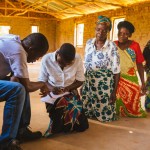
Malawi, with its subsistence-based economy, is particularly vulnerable to agricultural production shocks and has experienced recurrent food crises over the past two decades. These crises regularly trigger humanitarian responses during which hundreds of thousands of households receive aid in the form of direct food or cash transfers. The Food Insecurity Response Plan (FIRP), which sought >> Read more Source: Malawi Strategy Support Program
Diverse input contributes to Malawi’s Zero Hunger and Malnutrition Strategic Review
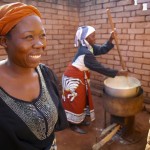
Countries around the world are committing to eliminate hunger, achieve food security, and promote sustainable agriculture by 2030 under the UN’s second Sustainable Development Goal. Malawi is among the countries taking their commitment a step further by taking concrete steps to tackle this challenge through consultation, research, and consensus-building. What is ZHMSR? The Zero Hunger >> Read more Source: Malawi Strategy Support Program
Creating Data-focused Environment to Address Nutritional Challenges
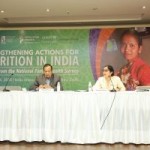
“The multidimensional analysis of National Family Health Survey data will help us navigate the health and nutrition programs, and understand the gaps that must now be closed,” said Dr Vinod Paul from NITI Aayog. He was delivering the keynote address at a knowledge sharing event where multiple researchers from organizations such as International Food Policy >> Read more Source: POSHAN: Partnerships and Opportunities to Strengthen and Harmonize Actions for Nutrition in India
Food quality and child diets: the role of fortified infant cereals in Malawi
Despite evidence from two recent, large surveys in Malawi that stunting rates are declining, more than 30 percent of children under five are still stunted, posing a threat for the long-term development prospects of the country. Most growth faltering in children occurs between the ages of 6 and 15 months, the time at which complementary >> Read more Source: Malawi Strategy Support Program
- « Previous Page
- 1
- …
- 165
- 166
- 167
- 168
- 169
- …
- 187
- Next Page »
