This Policy Note offers a synopsis of a study, detailed in Working Paper 29, which analyzed the structure, conduct and performance of maize markets in Malawi during the 2018/2019 main harvest and lean seasons. The study team interviewed 749 traders from 74 markets across 8 districts and held 28 focus group discussions with a total >> Read more Source: Malawi Strategy Support Program
To tackle climate change we need to rethink our food system
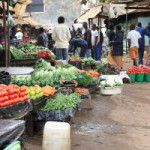
This blog is cross-posted from the IFPRI website and was originally written by Kathleen Rogers and Shenggen Fan. The way we produce, consume and discard food is no longer sustainable. That much is clear from the newly released UN climate change report, which warns that we must rethink how we produce our food—and quickly—to avoid the >> Read more Source: Malawi Strategy Support Program
Webinar: Linking Climate Change, Gender and Nutrition: Approaches, Highlights and the Way Forward (Sept 17)

Event Date: September 17, 2019 Time: 9.30 am to 11:00 am EDT Location: U.S. Online: Online Event Event Links: Register now Host: The Gender, Climate Change and Nutrition Integration Initiative (coordinated by IFPRI) Information Achieving the goals of Feed-the-Future and the Global Food Security Strategy requires careful consideration of the impact of climate science on […] Source: Gender, Climate Change, and Nutrition Integration Initiative (GCAN)
Webinar: Aflatoxins: The Climate, Gender and Nutritional Linkages (Sept 12)
Event Date: September 12, 2019 Time: 9.30 am to 11:00 am EDT Location: U.S. Online: Online Event Event Links: Register now Host: The Gender, Climate Change and Nutrition Integration Initiative (coordinated by IFPRI) Information: Aflatoxin levels and impacts are expected to increase with higher temperatures and increased water stress, particularly in tropical and sub-tropical […] Source: Gender, Climate Change, and Nutrition Integration Initiative (GCAN)
Evaluating risk of aflatoxin field contamination from climate change using new modules inside DSSAT
Aflatoxins affect the health of close to 70 percent of the population of the world through contaminated food. Smallholder farmers in developing countries can be especially hard hit, since they consume a high proportion of what they produce without a clear knowledge of the level of contamination their harvest might have. Climate change can cause […] Source: Gender, Climate Change, and Nutrition Integration Initiative (GCAN)
- « Previous Page
- 1
- …
- 815
- 816
- 817
- 818
- 819
- …
- 912
- Next Page »
