In Africa south of the Sahara, including Malawi, an estimated 61 percent of children below the age of five are developmentally challenged as a result of poverty, malnutrition, and lack of early stimulation and learning opportunities. Early-childhood development (ECD) programmes, which aim to improve young children’s survival, health and development are considered one of the >> Read more Source: Malawi Strategy Support Program
The global syndemic of obesity, undernutrition, and climate change

February 11, 2019 Stuart Gillespie, Senior Research Fellow, IFPRI A new report by the Lancet Commission on the Global Syndemic of Obesity, Undernutrition, and Climate Changedelivers a powerful, incisive analysis of the drivers of those overlapping worldwide problems with some long-overdue and hard-hitting recommendations. The starting point is a recognition that malnutrition in all […] Source: IFPRI Egypt Country Office
First Things First: Focus on Girls

India observed National Girl Child Day on 24 January, under the theme 'Empowering Girls for a Better Tomorrow'. Initiated by the Ministry of Women and Child Development, various events are being organized from January 21 to 26, to highlight the inequalities faced by girls, and promote awareness on a range of topics including rights of >> Read more Source: POSHAN: Partnerships and Opportunities to Strengthen and Harmonize Actions for Nutrition in India
Can governments promote homestead gardening at scale? The case of Ethiopia
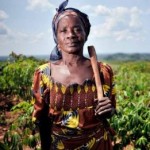
This story was cross-posted from the IFPRI website and was originally written by Kalle Hirvonen and Derek Headey. Eating fruits and vegetables can help ensure adequate nutrition and reduce the risk of heart disease, cancer, and obesity. Yet, most people in lower income countries do not get the recommended daily servings of those foods, largely >> Read more Source: Malawi Strategy Support Program
Can governments promote homestead gardening at scale? The case of Ethiopia
According to a new IFPRI blog post, eating fruits and vegetables can help ensure adequate nutrition and reduce the risk of heart disease, cancer, and obesity. Yet most people in lower income countries do not get the recommended daily servings of those foods, largely because they cannot afford them. One recent study of produce prices >> Read more Source: Ethiopia Strategy Support Program
- « Previous Page
- 1
- …
- 49
- 50
- 51
- 52
- 53
- …
- 58
- Next Page »
