
Abstract: Titukulane was designed to reduce the number of chronically food insecure households by enhancing the capacities of local and national governance structures to implement resilience-focused policies. To achieve this Titukulane is implementing ... Source: IFPRI Malawi: Malawi Strategy Support Program
New Publication: The Role of Land Inheritance in Youth Migration and Employment Choices: Evidence from Rural Nigeria
IFPRI - Nigeria is pleased to announce the publication of The Role of Land Inheritance in Youth Migration and Employment Choices: Evidence from Rural Nigeria by IFPRI researchers; Mulubrhan Amare, Hosaena Ghebru, George Mavrotas & Adebayo Ogunniyi.... Source: IFPRI Nigeria Country Office
New Publication: Nigeria’s Agrifood System Structure and Drivers of Transformation
IFPRI - Nigeria is pleased to announce the publication of Nigeria’s Agrifood System Structure and Drivers of Transformation by IFPRI Researcher; Andam Kwaw, Diao Xinshen, Ecker Olivier, Pauw Karl, Thurlow James, and Ellis Mia. Nigeria experienced a ris... Source: IFPRI Nigeria Country Office
Titukulane RSFA Learning Brief: Bridging Perspectives: Key Insights from a Gender & Youth Integration Learning Even
Abstract: In light of the need to learn from and collaborate with other USAID implementing partners on effectively addressing the issues that affect women and youth in their programming, Titukulane organized a focused event in September 2022. Prioritiz... Source: IFPRI Malawi: Malawi Strategy Support Program
2022 annual report
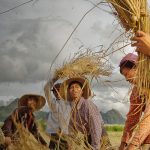
IFPRI’s 2022 Annual Report presents highlights from our research work in low- and middle-income countries and on global challenges. In 2022, IFPRI provided critical analysis on the food systems impact of the Russia-Ukraine war and related food, fertilizer, and fuel price crisis, as well as the ongoing COVID-19 pandemic. Work in our strategic research areas—climate resilience and sustainability, healthy diets and nutrition, inclusive and efficient food systems, institutions and governance, and rural transformation, as well as cross-cutting work on gender—continued to inform policies and programs to end hunger and malnutrition sustainably at both national and global levels.
- « Previous Page
- 1
- …
- 70
- 71
- 72
- 73
- 74
- …
- 209
- Next Page »
