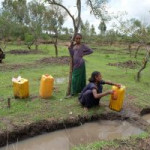
Re-post from IFPRI.ORG. A new wave of gender-related land reforms has swept across Africa south of the Sahara in recent years. These reforms have incorporated innovative approaches to land administration, including legal provisions protecting women’s land rights, and efforts to minimize gender inequalities concerning land, housing, and property rights. In 2003, for instance, the African […] Source: IFPRI Ethiopia: Ethiopia Strategy Support Program
Locally-grown fruits and vegetables can improve diets of rural women in India

Our recent study in Food and Nutrition Bulletin found that breaking down misconceptions regarding locally-grown and widely available nutritious fruits and vegetables could help to improve diets and address micronutrient deficiencies among women of chil... Source: IFPRI South Asia Office
One nation one ration card can transform lives
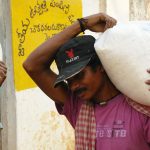
On June 27, Food Minister Ram Vilas Paswan announced plans to move towards a system of ‘One Nation One Ration Card’ (ONORC). The system, once introduced, would enable beneficiaries to get their quota of grains from any ration shop of their own choice across the country. The ONORC system is of considerable utility to migrants. Source: IFPRI South Asia Office
Gender, Climate and Nutrition Integration (GCAN) Research Seminar
Achieving the goals of Climate Smart Agriculture (CSA) requires careful consideration of other cross-cutting issues that influence climate change outcomes, especially gender and nutrition. In early May, the Gender, Climate, and Nutrition Integration (GCAN) project will visit Dhaka to present various topics, including (1) a checklist for the assessment of Gender, Climate and Nutrition Outcomes for […] Source: IFPRI Bangladesh Country Office
Empowering Women in Agriculture
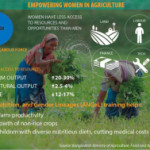
The government is rolling out the ‘ANGeL’ program nationwide to train women farmers in order to develop dietary diversity, nutrition and financial gains, and cut medical costs. Women constitute over 50% of the farm labour force in Bangladesh, much higher a participation comparing to 30% in India and Pakistan. But as they belong to small […] Source: IFPRI Bangladesh Country Office
- « Previous Page
- 1
- …
- 3
- 4
- 5
- 6
- 7
- 8
- Next Page »
