
A new IFPRI book analyzes the mechanization evolution of thirteen Asian and African countries, drawing potential lessons for sub-Saharan Africa's agricultural mechanization development going forward. Source: IFPRI Malawi: Malawi Strategy Support Program
IFPRI Insights: December 2020
IFPRI Insights: December 2020
Agricultural Mechanization Book; Child Malnutrition Figures; Climate Shocks; and more Source: IFPRI Malawi: Malawi Strategy Support Program
国际食物政策研究所(IFPRI)2020年7月~9月出版物目录
Accelerating technical change through video-mediated agricultural extension: Evidence from Ethiopia MTID, EPTD & PIM Discussion Paper Abate, Gashaw T.; Bernard, Tanguy; Makhija, Simrin; and Spielman, David J. Direct and spillover effects of agricul... Source: 国际食物政策研究所北京 中国项目
Preventing intimate partner violence by engaging men: Evidence from Unite for Better Life in Ethiopia

Globally, 30 percent of women will experience physical and/or sexual violence by an intimate partner in their lifetime. The well-documented health consequences of intimate partner violence (IPV) include injuries, unintended pregnancies, sexually transmitted infections, long-lasting mental illnesses, and, in the most extreme cases, death. IPV survivors are also subject to economic and social costs, such […] Source: IFPRI Ethiopia: Ethiopia Strategy Support Program
IFPRI book: What Africa can learn from Asia about agricultural mechanization
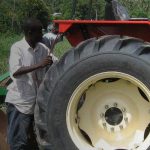
Agricultural mechanization has many benefits for developing countries: It raises productivity and lowers costs, makes supply chains more efficient, and is more environmentally friendly than traditional farming techniques. Mechanization is key for Africa’s agricultural transformation, which must adapt to the needs of urbanizing populations, increased food demand, and rising rural wages. Read more. Source: IFPRI Ethiopia: Ethiopia Strategy Support Program
- « Previous Page
- 1
- …
- 603
- 604
- 605
- 606
- 607
- …
- 912
- Next Page »
